A Film Night for Reading the Casino Scene
A film night for reading the casino scene reveals how music, pacing, and performance turn a gambling room into a stage—and gives you sharper notes to discuss.
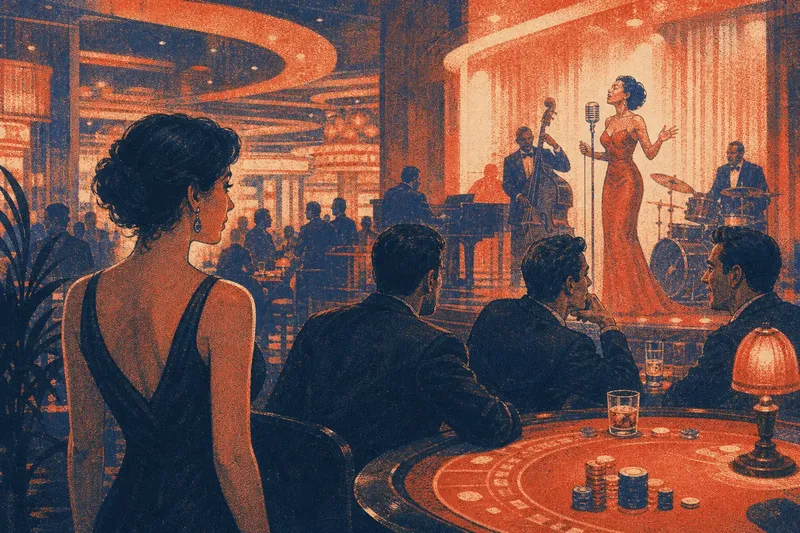
The common mistake in a casino scene is to watch only the game and miss the entertainment around it. A film night for reading the casino scene can reveal how music, performance, and a room’s public rituals shape the mood before anyone places a bet. The felt table may be central, but it is rarely doing all the acting.
Choose a feature film with a casino scene substantial enough to revisit. Watch once without stopping, then return to selected moments with a notebook and a few deliberate pauses. This time, listen for how the scene performs casino culture: who is invited to look, who becomes part of the spectacle, and how the entertainment changes the room’s tone.
Choose the scene
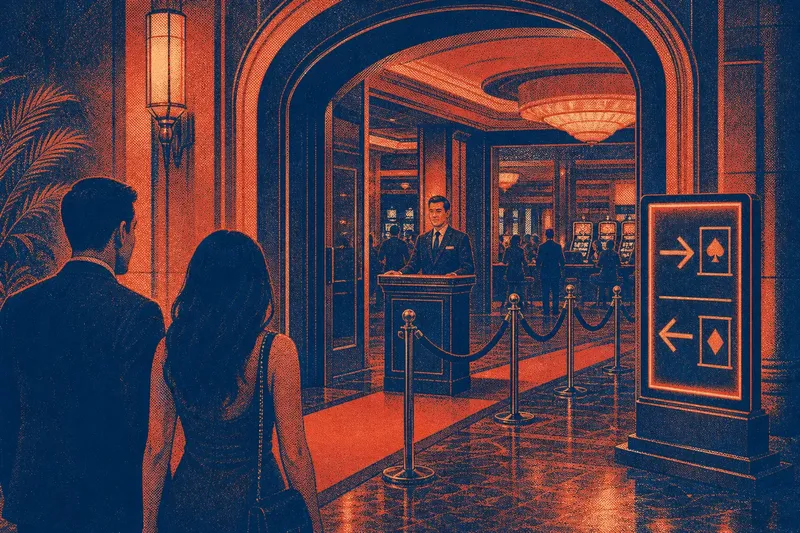
Pick a film you can watch legally through a library, disc, or licensed streaming service. The casino need not be a gambling floor in a narrow sense. It might be a lounge with live music, a stage show framed by tables, or a room where a crowd gathers around a performer as readily as a game.
Prepare a notebook, a pen, and a way to pause playback. Before viewing, write one expectation about the scene’s atmosphere: perhaps you expect glamour, danger, or weary routine. On the first uninterrupted pass, leave that note alone. You will compare it with the scene’s audible and visible choices afterward.
Listen for performance
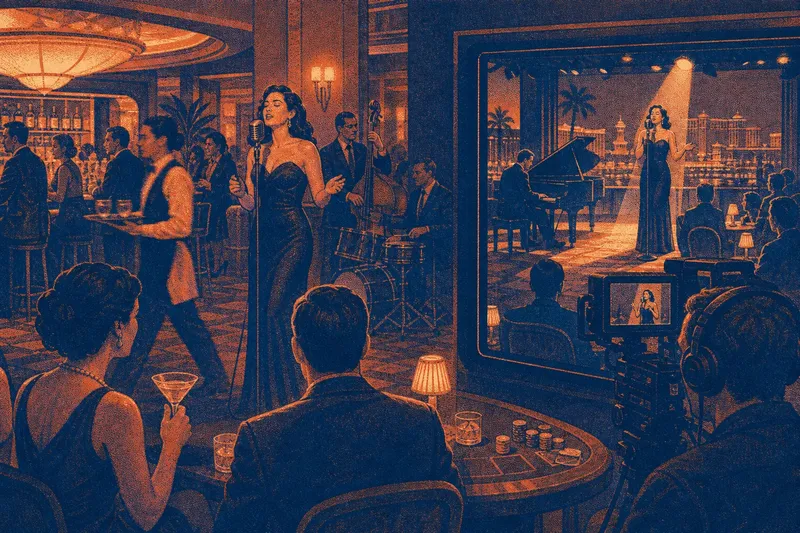
Notice what the film gives the room to hear. A band, an emcee, a singer, a dealer’s practiced patter, or the low wash of conversation can make the casino feel ceremonial, busy, intimate, or impersonal. Record the sound source and the moment it changes, rather than relying on a broad mood word.
Then watch how people respond. Do characters pause to listen, keep talking over the music, perform confidence for companions, or ignore the stage entirely? These reactions show whether entertainment is a shared event or merely part of the room’s decor. A performer can command attention, but a film may also show the audience refusing to grant it.
Read the room’s spectacle
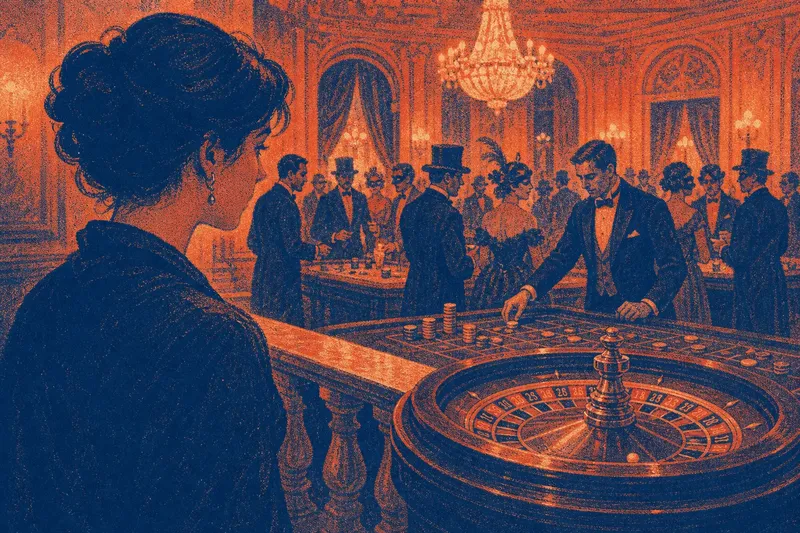
Casino entertainment is not limited to a formal act. A crowd watching a high-stakes hand, a host welcoming a guest, or a dealer maintaining a steady public rhythm can all turn ordinary activity into a performance. Ask who is on display and who is doing the looking.
Use a plain analogy: a casino floor can operate like a shop window, arranging an attractive scene for passersby while leaving much of its work out of sight. In a film, the display might be a singer beneath bright lights or a table surrounded by silent onlookers. Describe what the scene presents before deciding what it means.
What should you listen for?
How does music change the mood?
Note whether music continues beneath dialogue, stops at a turning point, or grows louder as a crowd gathers. If the sound changes alongside the characters’ behavior, connect those moments; if it remains steady, treat it as an atmosphere the scene chooses to maintain.
Who becomes the performer?
Look beyond the stage for characters who display confidence, charm, or control in front of others. If the scene rewards their public act with attention, note who responds; if nobody reacts, the performance may reveal more about the character’s self-image than their influence.
What does the crowd do?
Track whether people watch, join in, talk over the act, or drift away. If the crowd gathers, the scene makes entertainment a social event; if it disperses or stays distracted, note the contrast between the planned spectacle and the audience’s response.
When does the mood shift?
Mark the moment when a sound, performance, or reaction changes the scene’s tone. If the shift affects what characters do next, describe that connection; if the action continues unchanged, record the atmosphere as a layer rather than a plot turn.
Make useful viewing notes
On a second pass, use the checks below to turn impressions into observations. Each item pairs something audible or visible with a decision about what to examine next.
- Music: Check whether music starts, stops, or changes during the scene. If it shifts with a character’s decision, connect the two moments; otherwise, note what consistent mood the soundtrack sustains.
- Stage act: Check whether a performer receives the crowd’s attention. If people watch or applaud, record the act as a shared event; if they ignore it, examine how the scene uses the mismatch.
- Audience: Check who gathers and who leaves. If the crowd grows, note what draws people in; if it thins, identify whether the film shows distraction, disinterest, or a competing activity.
- Public persona: Check whether a character changes their behavior in front of others. If they become more showy or guarded, compare that conduct with their private moments; if their manner stays consistent, note the absence of a public shift.
- Sound detail: Check for a dealer’s patter, an emcee’s announcement, or conversation competing with music. If one sound takes precedence, note how it directs attention; if sounds overlap, identify what remains understandable and what gets lost.
- Scene transition: Check whether the film cuts from entertainment to a quieter exchange. If the contrast changes the mood, describe what the earlier spectacle made possible; if the tone carries through, note how the scene keeps its atmosphere intact.
Work through one scene
Imagine a fictional film scene in which Lena enters a casino lounge while a singer performs with a small band. Her starting problem is that she needs to ask an old friend a private question, but he is seated near the stage with two companions. On the first pass, write down the starting details: one singer, one band, one table of three people, and Lena’s need for a quiet exchange.
On the second pass, note each action. The band continues playing while Lena approaches; the singer holds the crowd’s attention, and the companions turn toward the stage. Lena waits through one verse, then speaks to her friend as the music carries on. The expected observable result is a conversation that can happen without stopping the entertainment, though the nearby companions remain present. The decision is to read the music as cover for a brief exchange, not as proof that the conversation is private. The tradeoff is clear: the performance softens the moment’s public attention but does not remove the people at the table.
Finish with three concrete notes: what the room asks people to watch, how the crowd responds, and whether entertainment changes anyone’s behavior. If the scene provides no visible response, say so; absence is better evidence than an imagined ovation.
Keep the record precise
After a short break, compare your first expectation with the notes. Choose one moment when music, a performer, or a crowd changed the scene’s tone, then describe the audible or visible detail that supports your reading. “The casino feels glamorous” is less useful than “the singer continues while the table’s companions stop talking.”
A film night for reading the casino scene works best when it treats entertainment as part of the room’s social life, not as decorative noise. Keep the final distinction in view: a performance may hold a crowd’s attention without changing the characters’ circumstances, and a quiet conversation can remain public even beneath a song.